Gahat Dal: Himalayan Horse Gram Benefits and Uses
Learn about Gahat Dal, also called Kulthi or horse gram, a warming Uttarakhand pulse used in soups, dals, and winter meals.
Gahat Dal is one of those Himalayan foods that carries more than flavor. It carries weather, soil, village memory, and the everyday intelligence of families who learned to eat with the seasons. In Uttarakhand, ingredients like horse gram, locally called Gahat or Kulthi, used in Himalayan winter cooking are not treated as trends. They are part of ordinary kitchens, festival plates, winter stores, and small acts of hospitality. This guide looks at Gahat Dal with the patience it deserves: where it comes from, how it is used, what it offers nutritionally, and how to choose it without falling for exaggerated wellness claims.
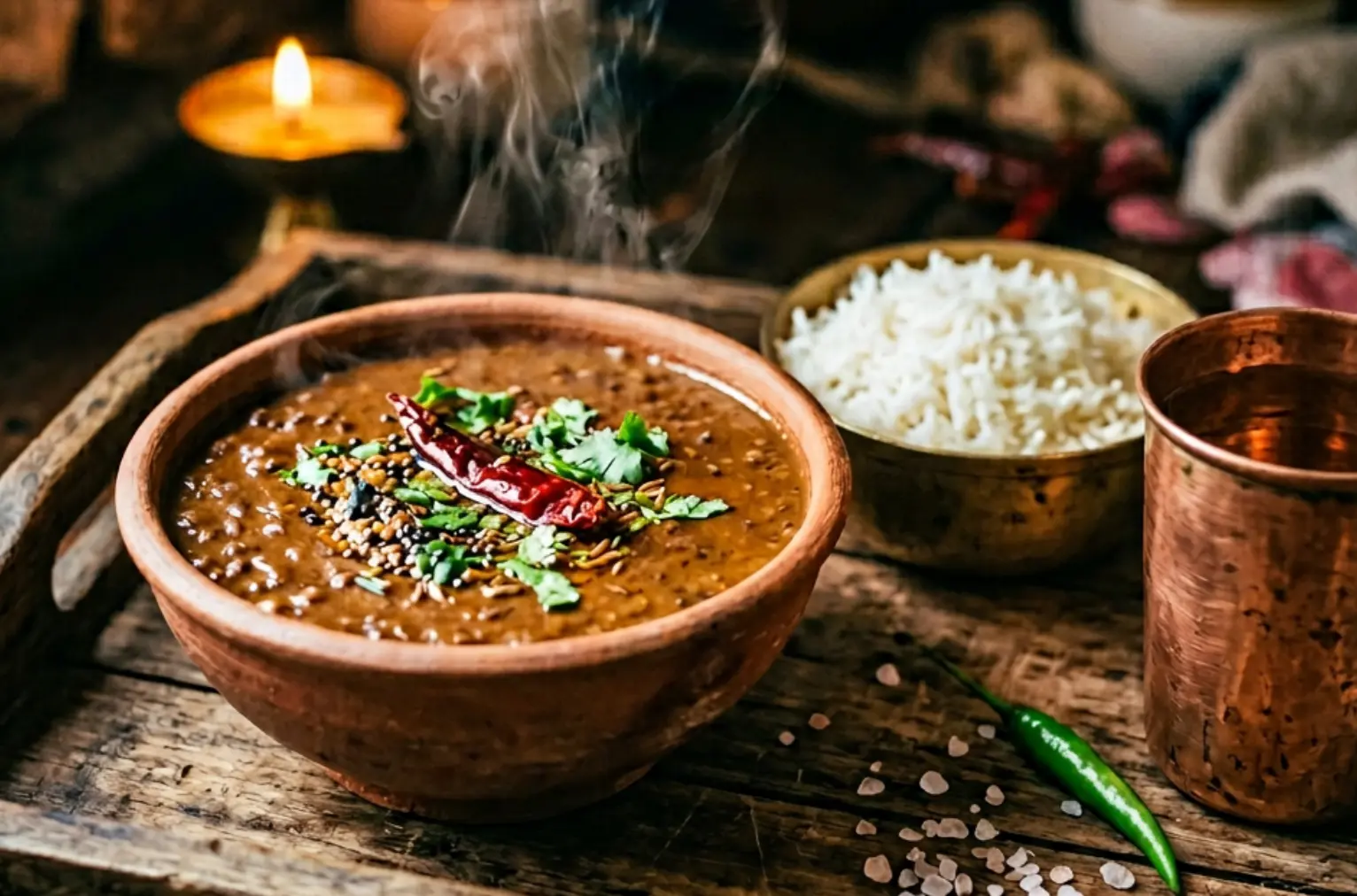
What is Gahat Dal?
Gahat Dal refers to horse gram, locally called Gahat or Kulthi, used in Himalayan winter cooking, a traditional food associated with the hill regions of Uttarakhand. It grows well in hill conditions and is known in Garhwal and Kumaon as a hardy pulse for colder months. The ingredient is valued because it is practical: it fits the local climate, keeps families nourished, and works in recipes that do not need complicated techniques.
The best way to understand Gahat Dal is to taste it in context. It is nutty, earthy, slightly coarse, and deeply savory after slow cooking. In a mountain kitchen, food is judged by aroma, digestibility, keeping quality, and whether it makes a simple meal feel complete. That grounded wisdom is why many Himalayan pantry staples are being rediscovered by people who want food that is both regional and useful.
The Uttarakhand Origin Story
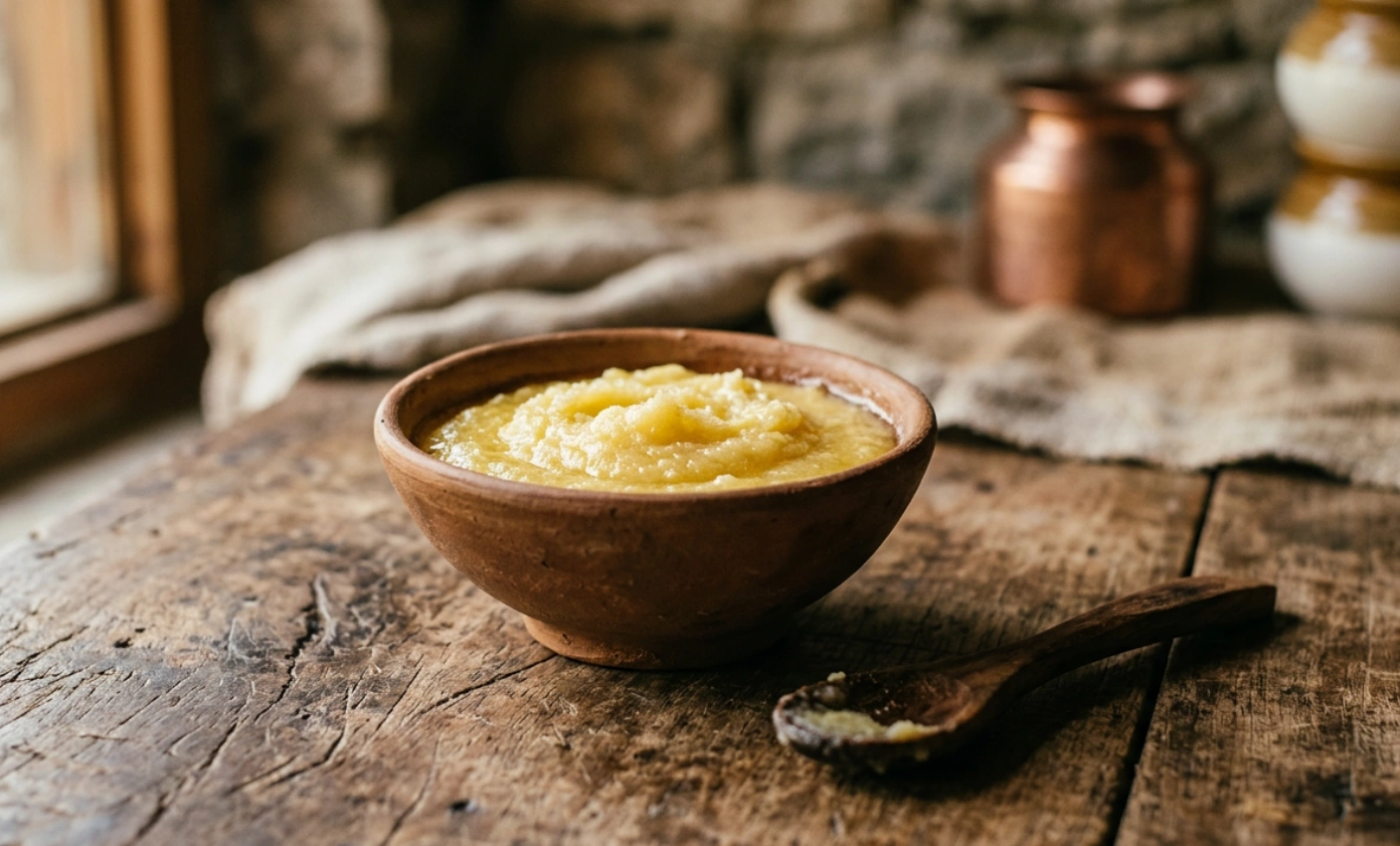
Gahat soup, dal, and parathas are part of the practical mountain kitchen: warm, filling, and made with ingredients that store well.
Uttarakhand food traditions are shaped by terraced fields, forest edges, cold winters, short harvest windows, and long walks between villages. Ingredients were selected because they could survive these realities. Gahat Dal belongs to that heritage. It is not simply a packaged product; it is part of a living food culture where elders still remember when something was harvested, who prepared it, and which meal it belonged to.
This regional context matters for trust. A food can be nutritious on paper and still feel disconnected from real life. Himalayan foods usually became important because generations tested them at home, in fields, during festivals, and in seasonal routines. That experience is the backbone of the SIMDI approach: educational first, transparent about origin, and careful not to turn traditional foods into miracle claims.
How Gahat Dal is Made, Harvested, or Prepared
The journey of Gahat Dal begins before it reaches a packet, bottle, or jar. It begins with the local season: when fields are ready, when flowers bloom, when forest vegetables appear, when milk is fresh, or when a family decides the weather is right for drying, roasting, grinding, or preserving. This slow timing is one reason Himalayan foods often feel different from factory-first alternatives.
Traditional preparation also depends on human judgement. Farmers, foragers, and home cooks look for aroma, color, dryness, texture, and ripeness rather than only a machine specification. That does not mean every old method is automatically better, but it does mean there is experience behind the product. For SIMDI, the goal is to keep that experience visible while still respecting modern expectations around cleanliness, labeling, storage, and safe use.
When you buy Gahat Dal, look for honest details rather than dramatic promises. A trustworthy product should tell you what it is, where it comes from, how to use it, and how to store it. It should not need language like miracle cure, instant detox, guaranteed weight loss, or disease reversal. Good Himalayan food earns confidence through clarity, not noise.
Nutritional Value of Gahat Dal
Gahat is known for plant protein, fiber, iron, and complex carbohydrates. Like many pulses, it benefits from soaking and proper cooking.
Nutrition should be understood as part of the whole diet. Gahat Dal can support a balanced eating pattern when used with vegetables, dals, grains, curd, nuts, seeds, or traditional fats such as ghee. It should not be presented as a cure for disease, and people with medical conditions should follow professional guidance before making major dietary changes.
- Works well in home-style Indian meals without needing refined additives
- Brings traditional Himalayan diversity to modern kitchens
- Can help replace overly processed pantry choices when used sensibly
- Best enjoyed as part of a varied diet rather than as a single solution
Benefits of Gahat Dal
Warming winter pulse
Traditionally eaten in colder months for hearty meals.
Good source of fiber
Adds roughage and fullness to vegetarian diets.
Useful in soups
Makes earthy broths and dals with simple spices.
Shelf-stable pantry food
Stores well when kept dry and protected.
Traditional Uses in Pahadi Kitchens
In Garhwal and Kumaon, ingredients are rarely used in only one way. A single harvest may become a daily dish, a festival preparation, a travel snack, or a winter store. Gahat Dal has the same flexible character. It appears in recipes that are simple, satisfying, and closely tied to regional taste.
The traditional uses below are practical starting points, not strict rules. Pahadi cooking changes from home to home. Some families use more garlic, some prefer jakhiya tadka, some finish with ghee, and some keep flavors clean so the ingredient itself can speak.
- Cook Gahat ki dal
- Make Gahat soup
- Use in stuffed parathas
- Serve with rice and ghee
- Prepare winter broths
How to Use Gahat Dal in Daily Life
Gahat Dal can fit into a modern routine without losing its regional character. The easiest approach is to start with familiar meals and make one thoughtful swap: a millet instead of refined grain, a local spice instead of a flat masala, a seasonal drink instead of a bottled soft drink, or a traditional sweet served in a smaller portion with tea.
For families outside Uttarakhand, this is also a way to build a pantry that has memory and meaning. You do not need to cook every meal like a mountain household. You only need to let the ingredient do what it naturally does: add depth, texture, aroma, and a sense of place.
- Soak overnight
- Pressure cook until soft
- Temper with garlic
- Blend into soups
- Combine with rice for a simple meal
Why Himalayan Gahat Dal is Different
Traditional Gahat may be smaller and less polished than uniform supermarket pulses, but it carries a stronger earthy flavor.
Commercial alternatives often focus on uniform appearance, long shelf life, or aggressive pricing. Himalayan products are usually more seasonal and less standardized. Color, aroma, size, texture, and flavor can change slightly from batch to batch. For a natural food, that variation is not a defect; it is often a sign that the product has not been forced into industrial sameness.
- Look for clear sourcing from Uttarakhand or the Himalayan region
- Prefer simple ingredient lists and recognizable preparation methods
- Avoid products that make unrealistic medical promises
- Expect natural variation in color, size, aroma, or texture
Buying and Storage Guidance
Store in an airtight jar in a cool dry place. Use within six to eight months for best cooking quality.
Good storage protects both flavor and trust. Keep dry foods away from moisture, close jars tightly after use, avoid wet spoons, and refrigerate opened drinks or perishable products when required. If a product changes smell, develops visible spoilage, or tastes unusual, do not consume it simply because it is traditional. Authentic food should still be handled with modern food-safety common sense.
Before buying, check whether the product page gives practical information such as ingredients, shelf life, image clarity, and usage guidance. For seasonal products, temporary unavailability is normal and often more trustworthy than forcing year-round supply. For pantry products, choose the quantity you can realistically finish while the aroma, texture, and freshness are still at their best.
Internal Pairing and Further Reading
Gahat Dal pairs well with Pahadi Ghee, Pahadi Chawal, Jakhya tadka, and Pisyu Loon.
For a fuller Himalayan pantry, explore the SIMDI products page at /products and read related guides on the blog such as /blogs/pahadi-honey-benefits, /blogs/pisyu-loon-pahadi-rock-salt, /blogs/ragi-millet-benefits, and /blogs/buransh-rhododendron-sharbat. These internal references help you compare ingredients by use, season, and meal type rather than buying randomly.